



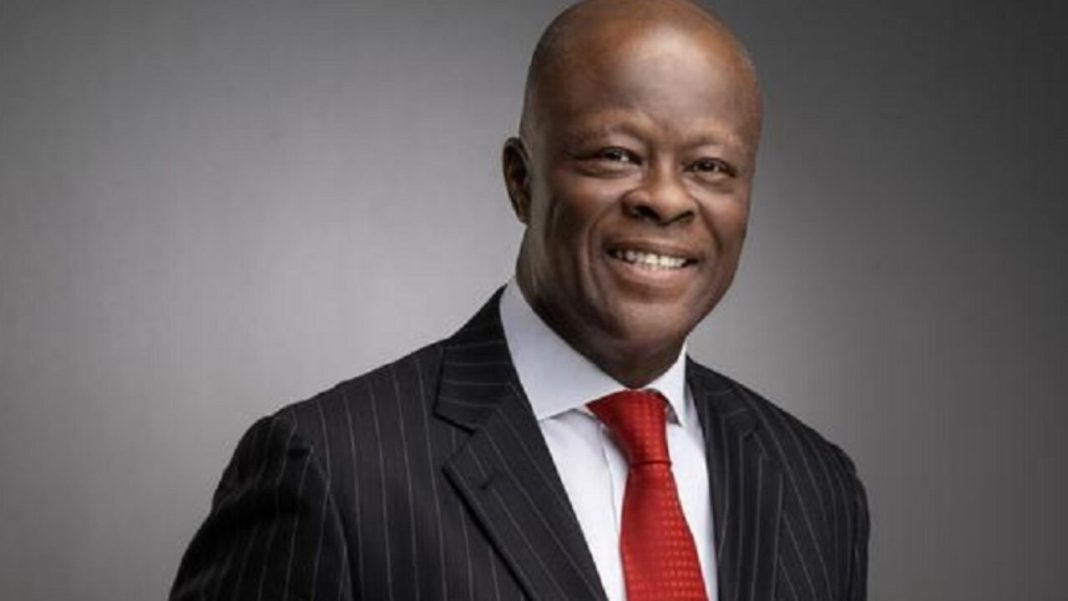
The presidency has pushed back against claims that this week’s cabinet changes amount to sackings, insisting that two senior ministers — Wale Edun and Ahmed Dangiwa — stepped down of their own accord, even as officials privately point to mounting tensions over government spending priorities.
In a statement on Wednesday, the president’s special adviser on information and strategy, Bayo Onanuga, said Edun had submitted his resignation on Monday, his 70th birthday, citing health reasons. He was said to have held a valedictory meeting with President Bola Tinubu at the presidential villa the following day before the announcement was made public.
“It has been a pleasure and privilege to serve your administration,” the presidency quoted Edun as writing, praising Tinubu’s leadership and the government’s economic direction.
Dangiwa, according to the statement, also tendered his resignation and expressed gratitude for the opportunity to serve. Tinubu, in turn, thanked both men for their roles in advancing his administration’s reform agenda.
Yet behind the official narrative, accounts from within government suggest a more complicated picture. One senior official, speaking on condition of anonymity, said Edun’s exit followed persistent complaints from ministries, departments and agencies (MDAs) over delays in the release of capital funds.
“The main issue is priority spending,” the source said, describing a pattern in which allocations were directed towards large infrastructure projects at the expense of routine expenditures within MDAs. “He would rather pay for a road or bridge contract than approve funds for vehicles or equipment.”
A second official dismissed speculation linking the reshuffle to external influence, including rumours involving businessman Gilbert Chagoury, and instead pointed to a growing imbalance in fiscal execution.
“If you don’t balance capital spending, the local economy hardly benefits,” the source said, suggesting that the concentration on major projects may have limited broader economic impact.
Edun, an economist and investment banker, has long been a close associate of Tinubu, dating back to his tenure as Lagos state governor, when Edun served as commissioner for finance. His career spans roles at World Bank and the founding of Stanbic IBTC, as well as leadership of the Chapelhill Denham Group.
Dangiwa, an architect, previously led the Federal Mortgage Bank and served in Katsina state government before joining the federal cabinet in 2023.
In the wake of their departure, Tinubu has elevated Taiwo Oyedele from minister of state to substantive minister of finance and coordinating minister of the economy, tasking him with sustaining reform momentum. A key figure behind the 2025 tax reforms, Oyedele is expected to deepen fiscal restructuring efforts.
The president has also nominated Muttaqha Rabe Darma as minister of housing and urban development, forwarding his name to the Senate for confirmation. In parallel, Lamido Yuguda has been nominated as deputy governor of the Central Bank of Nigeria, while Benedict Umeno has been put forward for reappointment to the Code of Conduct Bureau.
The reshuffle has unsettled the wider cabinet. One minister, emerging from the presidential villa on Wednesday, described an atmosphere of anxiety: “Everyone is in panic now. It’s like there is an earthquake going on.”
The president’s requests to the Senate — read on the floor by Godswill Akpabio — signal that further adjustments may follow, as Tinubu recalibrates his team amid mounting economic pressures and the shifting dynamics of the 2027 electoral cycle.

