



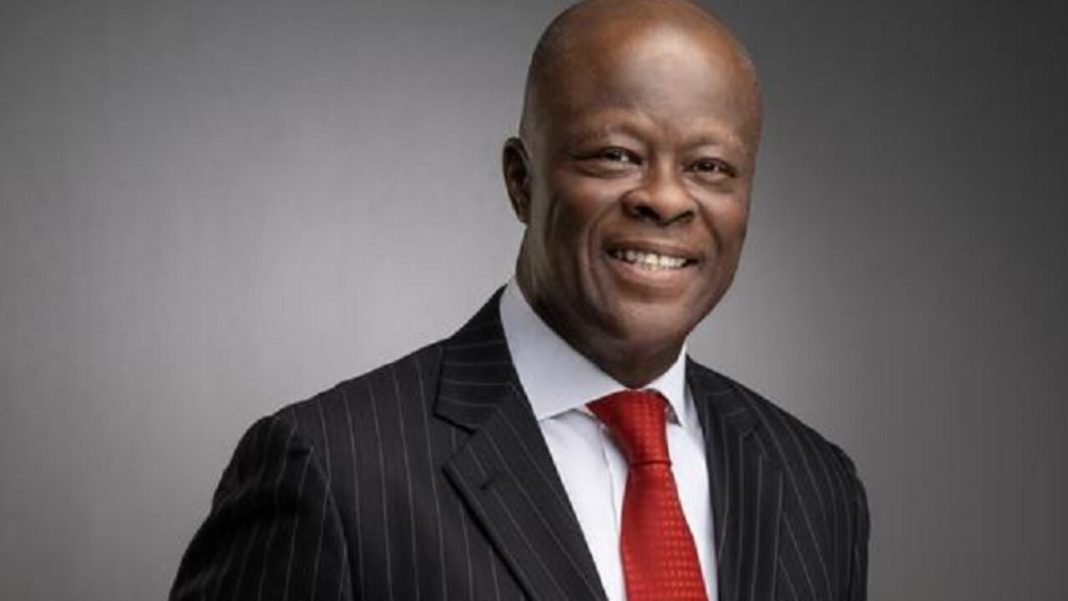
The Federal Government has outperformed its revenue expectations for the first half of 2024, according to Wale Edun, the Minister of Finance and Coordinating Minister of the Economy. At a press briefing in Abuja on Thursday, Edun attributed this success to robust fiscal policies and strategic reforms, which have significantly bolstered revenue collection.
Edun also addressed the recent Supreme Court ruling that grants financial autonomy to Local Governments. He clarified that the ruling has not yet been formally communicated to the Attorney-General of the Federation (AGF) for detailed examination and implementation. The landmark decision, made by a seven-man Supreme Court panel on July 11, 2024, has faced opposition from some state governors and remains in the early stages of review.
“The actual proceeding has not been handed down to the AGF,” Edun stated, indicating that the direct disbursement of funds to Local Governments, initially expected to begin at the recent Federation Account Allocation Committee’s monthly meeting, will be delayed. A Federal Government committee, including representatives from federal, state, and local governments, along with the AGF, is currently assessing the feasibility of the judgment.
President Bola Tinubu, a strong advocate of federalism and fiscal decentralisation, supports the new fiscal regime, Edun explained. “Through the state joint Local Government account, funding will go directly to the Local Governments,” he said, noting practical challenges such as the need for elected Local Government officials to receive the funds.
Highlighting the government’s fiscal achievements, Edun reported that aggregate Federal Government revenue for the first half of 2024 has more than doubled compared to the same period in 2023. This success is credited to enhanced revenue collection efficiency and diversification of income sources away from oil dependency. Non-oil revenues exceeded budget expectations by 30 per cent during this period.
“This underscores our commitment to reducing reliance on volatile oil revenues and expanding our tax base,” Edun noted. He also emphasised the success in attracting Foreign Direct Investment and portfolio investments, reflecting growing investor confidence in Nigeria’s economic reforms.
Fiscal discipline has also been a priority, with expenditure management aligning with revenue growth, contributing to a reduced budget deficit. “We are on track to meet our fiscal deficit target of 4.1 per cent of GDP for 2024, demonstrating prudent financial management amidst global economic uncertainties,” Edun affirmed.
Edun discussed ongoing government initiatives to support key economic sectors such as agriculture, manufacturing, and infrastructure development. These projects aim to enhance food security, boost industrial production, and improve the investment climate through public-private partnerships. The government’s strategic policies are focused on ensuring inclusive growth, job creation, and poverty reduction.
Regarding inflation, Edun acknowledged a slight uptick in June but emphasised that the rate of increase is slowing. He reiterated the government’s commitment to implementing the Supreme Court’s ruling, marking a significant shift towards fiscal federalism and direct funding of Local Governments.
In addition, Edun announced plans to issue $500 million in domestic foreign currency-denominated bonds within the next three to four weeks. This initiative aims to attract foreign currency held by Nigerians abroad and other investors interested in Nigeria’s macroeconomic reform efforts.
“We’re using the Nigerian financial system to issue $500 million in the first instance, which will attract foreign currency held by Nigerians abroad and anybody else who buys into the macroeconomic reform efforts of President Bola Tinubu,” Edun explained.
This move represents a challenge to the financial markets and is set to open in the coming weeks, marking another step in Nigeria’s ongoing economic transformation.

